
Nilópolis
- Japeri
Av. Governador Roberto Silveira, s/n Centro - Nilópolis - RJ CEP 26.545-770
- Weekdays: from 4:15 am to 11:45 pm
- Saturdays: from 4:45 am to 10:15 pm
- Sundays and holidays: from 5:00 am to 9:30 pm
The stations close before the last train passes, so if you want to get on the last train of the day, keep an eye on the closing time of your departure station.
-
 Train departures
- Weekdays
- Central do Brasil 4h43
- Japeri 5h11
- Saturdays
- Central do Brasil 5h10
- Japeri 7h04
- Sundays
- Central do Brasil 5h19
- Japeri 6h56
- Weekdays
- Central do Brasil 22h48
- Japeri 23h58
- Saturdays
- Central do Brasil 21h25
- Japeri 22h23
- Sundays
- Central do Brasil 21h21
- Japeri 21h36
-
 Here you can find
-

Food Service
-
-
 Toilet
Weekdays: from 6:00 am to 8:00 pm
Saturdays: from 6:00 am to 6:00 pm
Sundays and holidays: closed
-
 History
Line: Japeri
Local Attractions: Beija Flor Samba School
In the 17th century, hundreds of sugar plantations (fazendas) and sugar mills sprung up in the Baixada Fluminense and became the foundation of Rio de Janeiro's economy at the time. One of them was Fazenda São Mateus, which three centuries later became the municipality of Nilópolis.
In 1914, the Dom Pedro II Railway line already crossed the lands of the farm and Mirandela (the owner of the site at that time) asked the Director of the Central Railway of Brazil, Paulo de Frontin, for the trains to stop there - even though there was no platform for loading and unloading people and goods. Paulo de Frontin agreed to the request and the “Parada São Mateus” stop, as it became known, stood in front of the only warehouse in the area.
In the same year, engineer Lucas Neiva started working on the construction of a railway station to take the place of the stop. On November 8, the “Engenheiro Neiva Station” was inaugurated.
In 1916, the Progresso São Mateus Carnival block, had as its president of honor the President of Rio de Janeiro and former President of the Republic, Nilo Peçanha, who had made great advances for the population, such as the introduction of the electricity network and the improvement to the water supply.. Nilo Peçanha therefore became an idol to the area and the town of Engenheiro Neiva was elevated in stature to the District of Nova Iguaçu, starting the process of its emancipation.
Years later, the group was renamed “Bloco Progresso de Nilópolis”, in honor of its patron, and the place began to be known as “Nilópolis” (city of Nilo). The station then received its definitive name, “Nilópolis Station”.
On August 21, 1947, Nilópolis finally achieved its emancipation, which accelerated its economic and social development.
-
 What's nearby
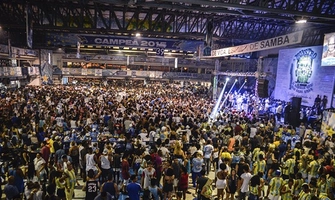
Quadra da Escola de Samba Beija-Flor
